Kitchen Cabinets, Decided Right
Cabinets set the look of your kitchen and take the biggest share of most remodel budgets, so the reface, replace, or paint decision deserves a clear head, not a sales pitch. This guide walks through each path honestly.
Kitchen Cabinets Hub
Start with the boxes, not the catalog
Before choosing a door style, open the cabinets you already have and look at what holds them together. Check the box sides, bottoms, and shelves for swelling, broken corners, and soft spots near the sink. Solid plywood or hardwood boxes in good shape open up refacing and painting as real options, while swollen particleboard, cracked sides, or water damage point toward replacement.
The second test is layout. If you like where the sink, range, and fridge sit, and storage mostly works, you do not need new boxes to get a new kitchen. If you fight the layout daily — a fridge door that blocks a walkway, a corner cabinet you cannot reach, a prep zone with no landing space — new boxes let you move things, and no surface treatment can fix that.
Refacing: the middle path
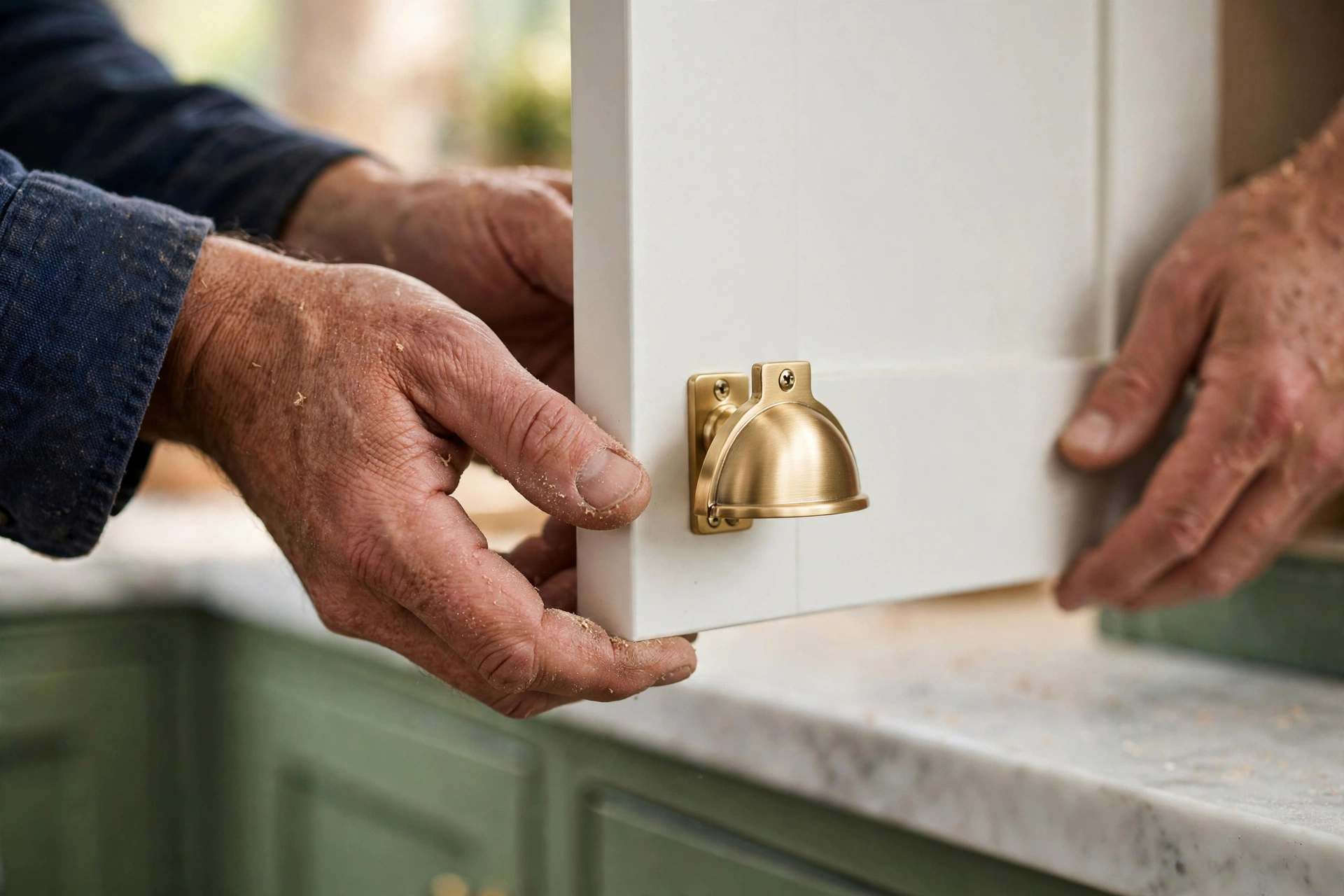
Refacing keeps your existing boxes and replaces what you see: doors, drawer fronts, and visible side panels get new veneer or laminate in a fresh style and color, with new hinges and handles. The kitchen keeps its footprint, the mess stays small, and the room is usable again far sooner than a full tear-out.
Refacing fits when boxes are sound, the layout works, and you are happy with the current storage arrangement. It does not fix broken interiors, add drawers where doors now sit, or move a single cabinet. If the insides are as tired as the outsides, ask for replacement pricing before you commit, so you compare both paths with eyes open.
Replacement: when new boxes earn their keep
Replacement makes sense when boxes are damaged, the layout needs to change, or you want storage the old boxes cannot offer — deep drawers for pots, a tall pantry pull-out, a wider sink base, or a drawer stack where a door cabinet now wastes space. New boxes also let you fix past sins: cabinets hung out of level, sizes that waste inches, or a peninsula that blocks traffic.
The trade-off is scope. Replacement touches flooring edges, backsplash, countertops, and sometimes plumbing and electrical, which is why replacement quotes run higher and take longer. You are rebuilding the room's skeleton, not just its face. Done right, though, it solves problems refacing can only hide.
Painting: the budget refresh with honest limits
Painting is the lowest-cost way to change a kitchen's color, and on solid wood doors with good prep — cleaning, sanding, priming, and spraying — it can look sharp for years. It suits kitchens where the style is fine but the color is dated, or where a lighter palette would brighten a dark room.
Paint has limits worth knowing. It will not repair peeling thermofoil, deep gouges, or doors that warp with humidity. High-touch edges around the sink and range wear first, and a rushed brush job shows every flaw. If your doors are already failing, paint buys time rather than a transformation — put that money toward refacing or replacement instead.
Door styles and finishes that age well
Shaker doors remain popular because they sit comfortably in traditional and modern kitchens alike, while flat-slab doors suit clean contemporary rooms. Raised-panel doors lean traditional and collect dust in their grooves. Pick the style that matches your home's architecture, not just this year's showroom display.
Painted finishes brighten small or dark kitchens, while stained wood shows grain and hides wear better in busy households. Matte finishes forgive fingerprints, and high gloss shows every smudge. Whatever you choose, order a sample door and live with it in your own light for a few days before approving the full run.
Storage upgrades worth adding while you are in there
The cheapest time to fix storage is during cabinet work. Pull-out shelves turn deep base cabinets into usable space, drawer dividers end junk-drawer chaos, and a pull-out trash bin frees a cabinet you used to waste on a freestanding can.
Tall pantry pull-outs, tray dividers near the range, and spice pull-outs beside the cooktop each solve one daily annoyance. List the three things that frustrate you most about your current storage and hand that list to your designer — good storage design starts from annoyances, not from a catalog page.
Comparing cabinet quotes without getting lost
Cabinet quotes only compare when the scopes match: same box construction, door material, finish, hardware, and install details. Ask every bidder to list doors, drawer fronts, panels, hinges, handles, installation, and haul-away separately, and to put the result in a written scope you can hold side by side.
Watch for what is missing rather than what is cheap: soft-close hardware, finished side panels, toe-kick finish, and adjustment visits after install. A slightly higher quote that includes all four often costs less than a low quote with add-ons later. Call (607) 389-0071 for a free quote with an itemized written scope.
Cabinet hardware and finishing touches
Hardware is the jewelry of the cabinetry world, and it changes how doors feel every time you open them. Knobs suit small doors and drawers in traditional kitchens, while bar pulls give a cleaner grip on wide drawers and suit modern rooms. Placement matters as much as style: pulls centered on drawer fronts and set near the opening corner of doors feel natural, while random placement makes even expensive cabinets feel careless.
Beyond handles, the quiet details decide longevity. Soft-close hinges stop the daily slam that loosens screws over time, full-extension drawer slides let you reach the back of deep drawers without kneeling, and finished end panels make exposed cabinet sides look intentional rather than unfinished. Crown molding and a finished toe-kick complete the built-in look, so ask whether each is included before you approve a quote.
Phasing cabinet work across two projects
Sometimes the budget only stretches to half the kitchen now, and phasing can work if you plan it honestly. The safest split is by zone rather than by finish: complete the cooking wall fully, for example, and leave a secondary run for later, instead of refacing half the doors in a color you may not match later.
The risk in phasing is matching. Door batches, stain lots, and veneer runs vary slightly, so a second phase months later may not match the first perfectly. If you plan to phase, order spare doors and a touch-up kit with phase one, keep the product name and finish code on file, and tell your supplier the second phase is coming so they can advise on availability.
Cabinet finishes and your home's style
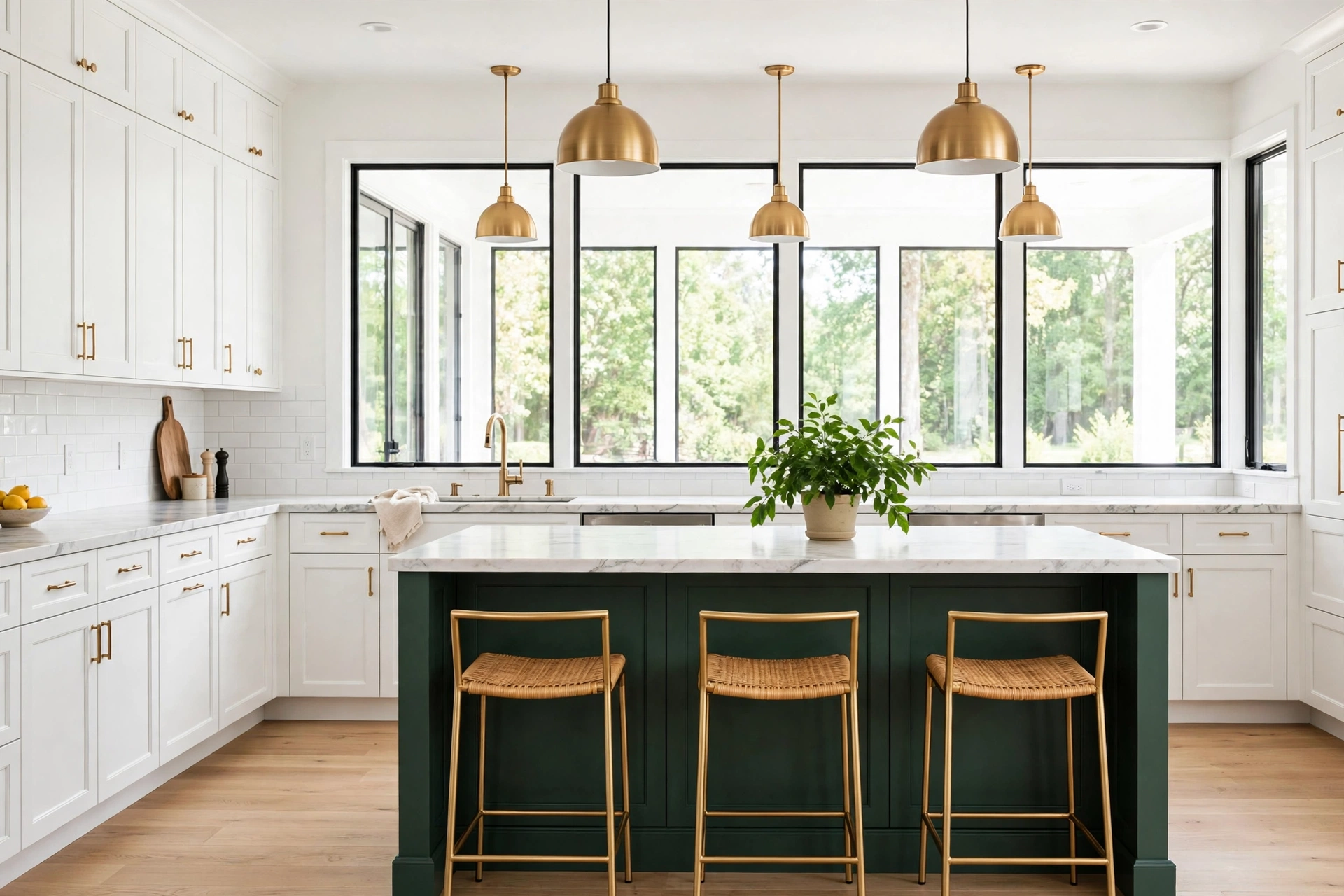
Painted cabinets brighten rooms and suit most home styles, while stained wood shows grain and warms rooms that already carry wood floors or trim. The choice should echo the house: a 1920s bungalow, a 1990s subdivision home, and a new-build condo each carry different expectations, and cabinets that respect the architecture look intentional rather than imposed.
Mixed finishes are a middle path worth considering. A stained island against painted perimeter cabinets, or a wood range hood against painted walls, adds depth without committing the whole room to one tone. Keep the mix to two finishes at most, and repeat each one somewhere else in the room — an island finish echoed in open shelving, for example — so the contrast reads as design rather than accident.
Explore more hubs
More kitchen hubs
Top cities: Louisville, KYColumbus, OHCincinnati, OHDayton, OH
Good to know
Kitchen Cabinets Hub FAQs
If the boxes are solid, square, and free of water damage, and you like the current layout, refacing is usually on the table. Boxes that are swollen, broken, or out of level usually point to replacement instead.
On solid wood with proper prep and a sprayed finish, paint holds up well for years in normal use. Edges near the sink and range wear first, and paint cannot rescue doors that are peeling or warped.
Not always. Cabinets can be replaced on their own, but new boxes often mean new countertops too, since old tops rarely fit new layouts. Backsplash and flooring edges may need touch-ups as well.
Shaker doors in a painted or stained finish are a safe middle ground: simple lines, easy cleaning, and a look that fits most homes. Flat slabs suit modern rooms, and raised panels suit traditional ones.
No. Refacing keeps every box where it is. If you want to move the sink, add an island, or widen a walkway, you need replacement cabinets and a layout plan.