Kitchen Remodel Cost, Planned Right
Kitchen remodel costs vary because kitchens vary — scope, layout changes, and material choices move the number more than any single line item. This guide gives you a framework for planning a budget you can trust.
Kitchen Remodel Cost Hub
Think in scopes, not in single numbers
A cosmetic refresh — paint, hardware, backsplash, lighting — and a full gut renovation are different projects that happen to share a room, and their costs reflect that. Before asking what a remodel costs, define which one you are planning: the same layout with new surfaces, or a reworked room with moved plumbing and walls.
Write your scope as a list — cabinets, counters, flooring, lighting, plumbing, electrical, appliances — and mark each as keep, refresh, or replace. That list is your budget's skeleton. Every line you mark replace adds cost, and every line you keep protects it.
The five biggest cost drivers
Layout changes lead the list. Moving walls, plumbing, or gas lines adds trade work and inspections that surface-only projects never touch. Cabinets usually follow, since they cover the most wall area and set the room's quality level.
Countertops, flooring, and finishes round out the big five. Stone counters and hardwood floors cost more than laminate and vinyl, but the gap between midrange and premium finishes is often smaller than the gap created by moving a sink across the room. Spend first on the changes you cannot undo cheaply.
Where budgets quietly grow
Most budget surprises hide behind walls and under floors: old wiring, uneven subfloors, or plumbing that no longer meets current standards. A good scope names these as possibilities upfront instead of discovering them mid-demolition.
Change orders are the other quiet grower. Swapping a material after ordering, or adding a feature mid-project, costs more than choosing it during planning. Freeze your selections before demolition starts, and treat mid-project changes as deliberate decisions with a price attached, not casual tweaks.
A framework for setting your budget
Start with must-haves — the things that fix real problems, like broken storage or a layout that blocks traffic — then add nice-to-haves only while the total still feels comfortable. If the must-haves alone strain the budget, shrink the scope before you shrink the quality.
Keep a contingency cushion for the unknowns behind the walls, and decide in advance how you will use it: only for hidden conditions, or also for upgrades you discover you want. A cushion with rules attached survives contact with a showroom. One without rules evaporates.
Getting quotes you can actually compare
Quotes compare only when scopes match. Give every bidder the same list — same layout, same cabinet construction, same counter material, same finish level — and ask for itemized lines instead of a single lump sum. A lump sum hides what is included and makes the cheapest bid look better than it is.
Read the exclusions as carefully as the inclusions: haul-away, permits, painting, hardware, and final adjustments are common gaps. A written scope that lists inclusions, exclusions, and the change-order process protects both sides and keeps the project calm.
Saving without cutting corners that show
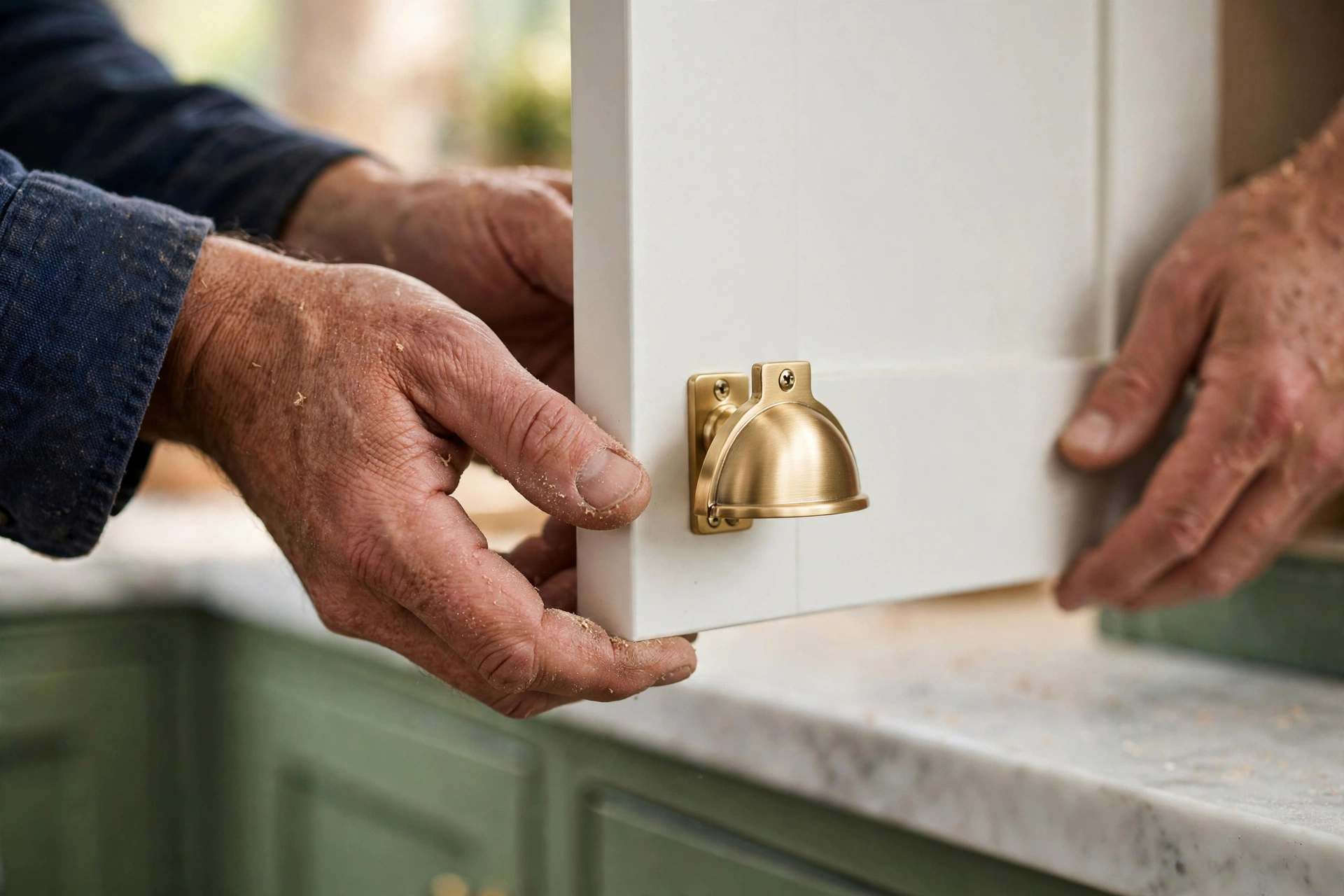
The best savings keep the layout. Refacing instead of replacing cabinets, keeping the sink and range where the plumbing already is, and choosing stock sizes over custom dimensions all cut cost without cutting visible quality.
Spend where hands and eyes land daily — cabinet hardware, faucet quality, and counter durability — and save where nobody looks: inside cabinet boxes, behind appliances, and on trendy finishes you may tire of. A kitchen that feels solid in daily use beats one that photographs well but annoys you by spring.
Appliances and fixtures: where they fit in the budget
Appliances are often budgeted as an afterthought, which is how they surprise people. Decide early whether appliances stay, move, or get replaced, since each path changes the scope: keeping them means designing around existing sizes, while replacing them opens panel-ready and integrated options that cost more but disappear into the cabinetry.
Fixtures follow the same logic. A faucet, sink, and lighting package can quietly add up, especially when you move from standard to workstation sinks or touchless faucets. Price the fixture package alongside cabinets and counters rather than after them, and confirm delivery dates before demolition, since a missing sink can stall a countertop install.
Labor and trades: the invisible half
Materials get photographed, but skilled labor is often the larger share of a remodel budget. Carpentry, plumbing, electrical, tile, and painting each bring their own rates and sequencing, and a kitchen that moves plumbing or walls needs several trades coordinated in the right order rather than all at once.
That coordination is what a single point of contact buys you. When one coordinator sequences trades, checks rough work, and handles the punch list, the homeowner stops being the project manager. If you coordinate trades yourself, budget your own time honestly — chasing schedules and answering site questions is a part-time job for the duration of the project.
Resale thinking without overbuilding
A kitchen should suit its neighborhood as well as its owner. The most expensive kitchen on the street rarely returns its full cost, while a well-planned midrange remodel in a modest neighborhood usually reads as the right house at the right level. Look at recent sales nearby and note the kitchens that sold well, rather than importing a showroom standard from a different market.
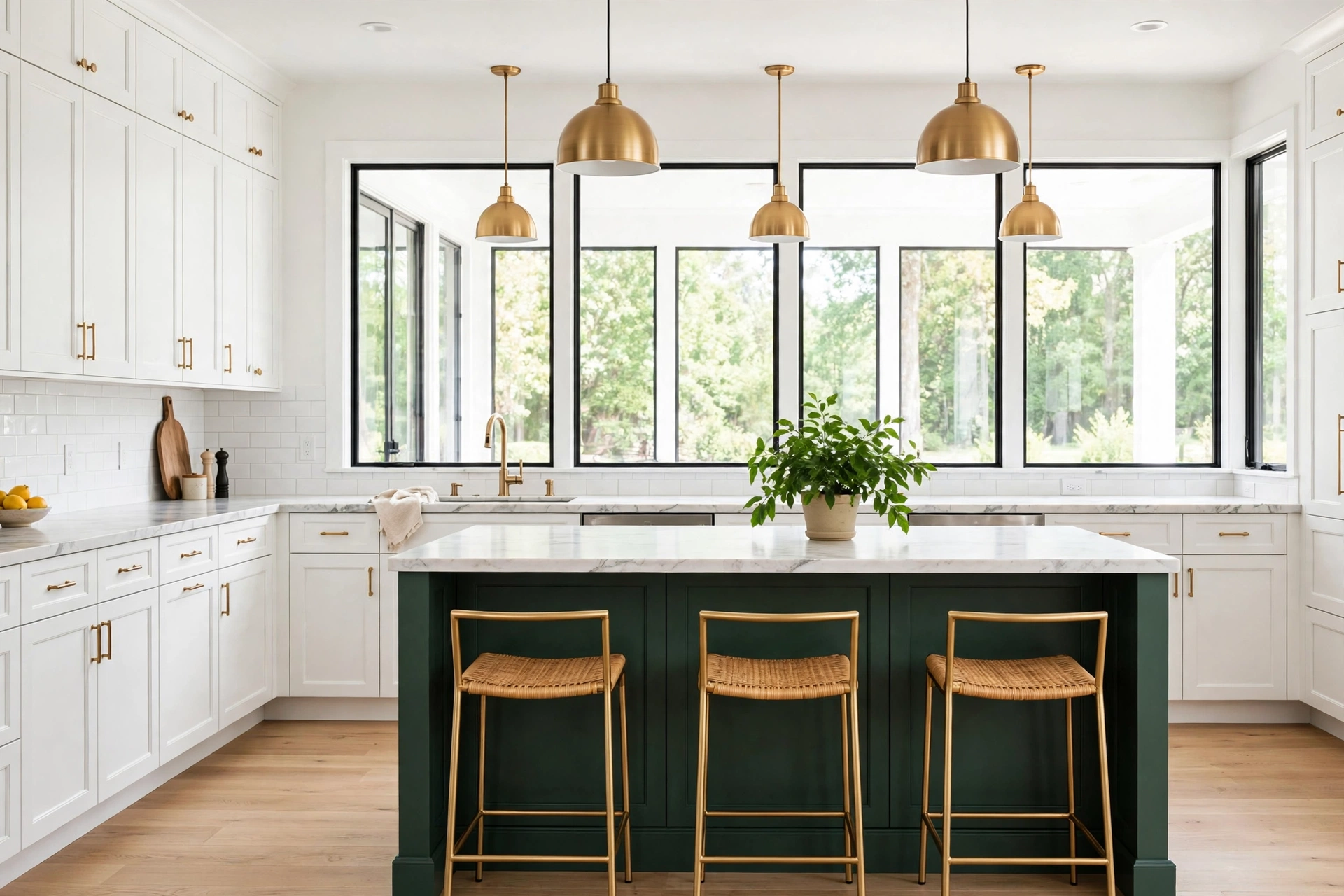
Timeless choices protect resale value better than bold trends: neutral cabinet colors, durable counters, and a layout that works for the next family as well as yours. Trendy finishes are easy to add through hardware, lighting, and decor, and easy to remove when tastes change. Put the permanent money into layout, light, and storage, and let trends live in the replaceable layers.
Paying for the remodel without regret
How you pay shapes the project as much as what you buy. Some households save and build in phases, others finance the full scope at once to avoid living through two rounds of disruption. Neither path is right in general — the right one is the one whose monthly cost you can carry comfortably even if the project runs longer than planned.
The real budget protection is rarely the payment method. It is the frozen scope: selections locked before demolition, change orders priced before approval, and a contingency cushion reserved for hidden conditions. Households that protect those three habits finish close to budget regardless of how they funded the work.
What a written scope should contain
A written scope is the document that turns a conversation into a project. It should name the layout, cabinet construction and finish, counter material and edge, flooring, lighting, fixtures, and appliances — each specific enough that two bidders pricing it would arrive at comparable numbers. Vague lines like new cabinets or updated lighting are not a scope, they are a wish list.
The scope should also name what is not included: haul-away, permits, painting touch-ups, and final adjustments are common gaps that become arguments later. Add the change-order process, the payment milestones, and the punch-list closeout, and you have a document that protects both sides and keeps the project calm from demolition to walkthrough.
Related services
Services in this hub
Explore more hubs
More kitchen hubs
Top cities: Louisville, KYColumbus, OHCincinnati, OHDayton, OH
Good to know
Kitchen Remodel Cost Hub FAQs
Because scopes vary. One quote may include new cabinets and counters while another covers paint and hardware only. Itemized scopes on the same list are the only fair comparison.
Both add real cost, and which leads depends on the home. Moving plumbing or gas lines adds trade work and inspections, and moving walls adds framing, electrical, and finish work. Your scope should price each separately.
Yes. Hidden conditions behind walls and under floors are common in older kitchens, and a cushion with clear rules keeps surprises from becoming arguments.
Usually, because the boxes stay and the scope is smaller — no demolition, no countertop replacement, and less trade work. Replacement earns its higher cost when the layout changes or boxes are damaged.
No. A bigger budget spent on layout changes and quality where it matters beats a bigger budget spent on premium finishes in a layout that still frustrates you daily.